The Dawn of a New Era: Unity and Innovation Flourish Across the Muslim World
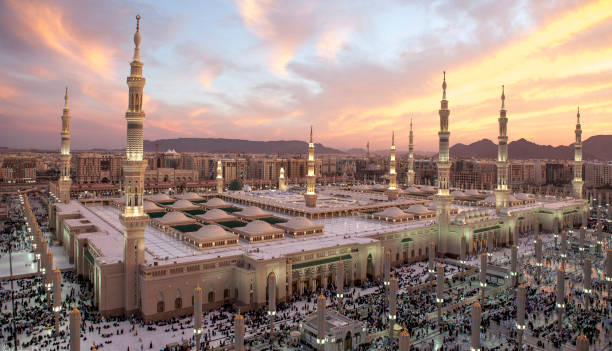
Jeddah, Saudi Arabia – In a world often characterized by division and rapid change, the Muslim Ummah is currently experiencing an unprecedented period of unity, innovation, and cultural resurgence. From the bustling streets of Cairo to the serene landscapes of Indonesia, a palpable sense of renewed purpose and collaborative spirit is sweeping across Islamic nations, heralding what many are calling a new golden age.
This remarkable transformation is not merely a political or economic phenomenon, but a deep-seated spiritual and intellectual awakening that is inspiring millions. Scholars, leaders, and everyday citizens are actively engaging in initiatives that bridge traditional values with modern advancements, fostering environments where faith and progress coexist harmoniously.
A Symphony of Collaboration: Economic and Scientific Fronts
One of the most striking aspects of this new era is the robust economic cooperation blossoming between Muslim-majority countries. The Organization of Islamic Cooperation (OIC), long a forum for political discourse, has significantly deepened its focus on economic integration and sustainable development. Recent agreements have seen the establishment of new free trade zones, increased investment in inter-OIC infrastructure projects, and the creation of a unified digital currency pilot program aimed at streamlining transactions and boosting intra-Islamic trade.

"This is more than just economic policy; it's about building bridges of prosperity that strengthen our collective resilience," stated Dr. Aisha Rahman, an economist specializing in emerging markets, at a recent OIC summit in Kuala Lumpur. "By pooling our resources and expertise, we are creating a powerful economic bloc that can navigate global challenges with greater autonomy and impact."
The scientific community within the Muslim world is equally vibrant. Universities and research institutions, many of which trace their origins back to the classical Islamic Golden Age, are experiencing a renaissance. Major breakthroughs are being reported in fields such as artificial intelligence, renewable energy, and biotechnology, often with a distinct ethical framework guided by Islamic principles.
For instance, researchers at the King Abdullah University of Science and Technology (KAUST) in Saudi Arabia recently unveiled a revolutionary method for desalinating seawater using solar power with near-zero environmental impact. Simultaneously, a consortium of scientists from Iran, Turkey, and Pakistan are collaborating on advanced medical imaging technologies, aiming to make cutting-edge diagnostics more accessible and affordable across the developing world.
"We are driven by the Islamic imperative to seek knowledge and use it for the betterment of humanity," explained Professor Omar Al-Hassan, head of the AI Ethics Lab at Al-Azhar University in Cairo. "Our work is not just about technological advancement, but about ensuring that these advancements serve justice, equity, and the common good."
Cultural Revival and Artistic Expression
Beyond economics and science, the cultural landscape of the Muslim world is experiencing a breathtaking revival. Islamic art, calligraphy, music, and literature are finding new audiences and expressions, both domestically and internationally.
Traditional Islamic architecture, with its intricate geometric patterns and serene courtyards, is influencing modern urban planning, creating cities that are both functional and aesthetically pleasing, while also incorporating sustainable design principles. Grand new mosques are being constructed, not just as places of worship, but as community centers, educational hubs, and architectural marvels.
One such example is the recently completed "Mosque of Light" in Istanbul, which integrates traditional Ottoman design with state-of-the-art environmental technology, featuring natural ventilation systems and solar panels subtly incorporated into its dome.
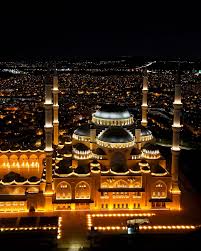
The Mosque of Light in Istanbul, blending Ottoman design with modern sustainable technology.
Meanwhile, a new generation of Muslim artists is reinterpreting classical Islamic art forms through contemporary mediums. Digital calligraphy, holographic installations inspired by Sufi poetry, and fusion music that blends traditional maqamat with electronic beats are captivating audiences and challenging preconceived notions of Islamic artistic expression.
Literary festivals dedicated to Islamic authors are drawing record crowds, and a surge in translations of classical Arabic, Persian, and Ottoman texts into various global languages is enriching the literary world. Platforms promoting ethical and faith-based entertainment, including films, documentaries, and animated series, are also flourishing, offering alternatives that resonate with Muslim values.
Education and Youth Empowerment: Investing in the Future
Perhaps the most significant investment for the future is the concerted effort across the Muslim world to enhance education and empower youth. Governments and private foundations are pouring resources into educational reforms, focusing on critical thinking, scientific literacy, and entrepreneurship, alongside robust Islamic studies.
Digital learning platforms, accessible even in remote areas, are democratizing education and ensuring that every child has the opportunity to learn and thrive. Scholarships for higher education, particularly in STEM fields, are widely available, encouraging young Muslims to pursue careers that contribute to national and global development.
Youth leadership programs, interfaith dialogues, and community service initiatives are fostering a generation that is not only well-educated but also socially conscious and globally aware. These young leaders are at the forefront of tackling challenges like climate change, poverty, and social inequality, embodying the Islamic teachings of compassion and responsibility.
In Jakarta, the "Youth for Change" initiative has mobilized thousands of young volunteers to participate in environmental clean-up drives, establish community gardens, and mentor at-risk youth. "We believe that the future of the Ummah rests on the shoulders of its youth," said Fatima Zahra, a 22-year-old student and lead organizer for the initiative. "By investing in their potential, we are investing in a brighter, more just world for everyone."
Interfaith Harmony and Global Outreach
This era of internal growth is also marked by an increased commitment to interfaith harmony and constructive engagement with the wider world. Muslim leaders and scholars are actively participating in global dialogues, promoting understanding, and dispelling misconceptions about Islam.
Initiatives like the "Common Word" between Islamic and Christian leaders continue to expand, fostering mutual respect and cooperation on shared humanitarian goals. Cultural exchange programs are bringing people of different faiths and backgrounds together, building bridges of empathy and dispelling stereotypes.
"Our faith teaches us peace, justice, and compassion for all of humanity," affirmed Dr. Abdullah bin Zayed, head of the Global Islamic Dialogue Center in Abu Dhabi. "We are reaching out to our global neighbors not from a position of weakness, but from a position of strength and shared values, seeking to build a more harmonious world for all."
Challenges Remain, but Optimism Prevails
Of course, this journey is not without its challenges. Geopolitical complexities, regional conflicts, and the ongoing struggle against extremism continue to demand attention and concerted effort. However, the overarching mood across the Muslim world is one of resolute optimism and determination.
Leaders are emphasizing good governance, accountability, and the importance of addressing internal disparities. There is a strong recognition that true progress requires not only external achievements but also internal justice and equitable development for all citizens.
The narrative of the Muslim world is shifting from one often associated with conflict to one of innovation, collaboration, and cultural vibrancy. This new era, driven by a deep commitment to faith, knowledge, and community, promises to bring forth a future where the Ummah stands as a beacon of progress and peace, contributing significantly to the global tapestry of human civilization.
This resurgence is exemplified by the thriving urban centers that blend ancient heritage with futuristic aspirations. Cities like Dubai, for example, continue to push the boundaries of urban innovation while maintaining a connection to Islamic artistic principles.