Global Ummah: Navigating the Intersection of Ancient Faith and 2026 Innovation
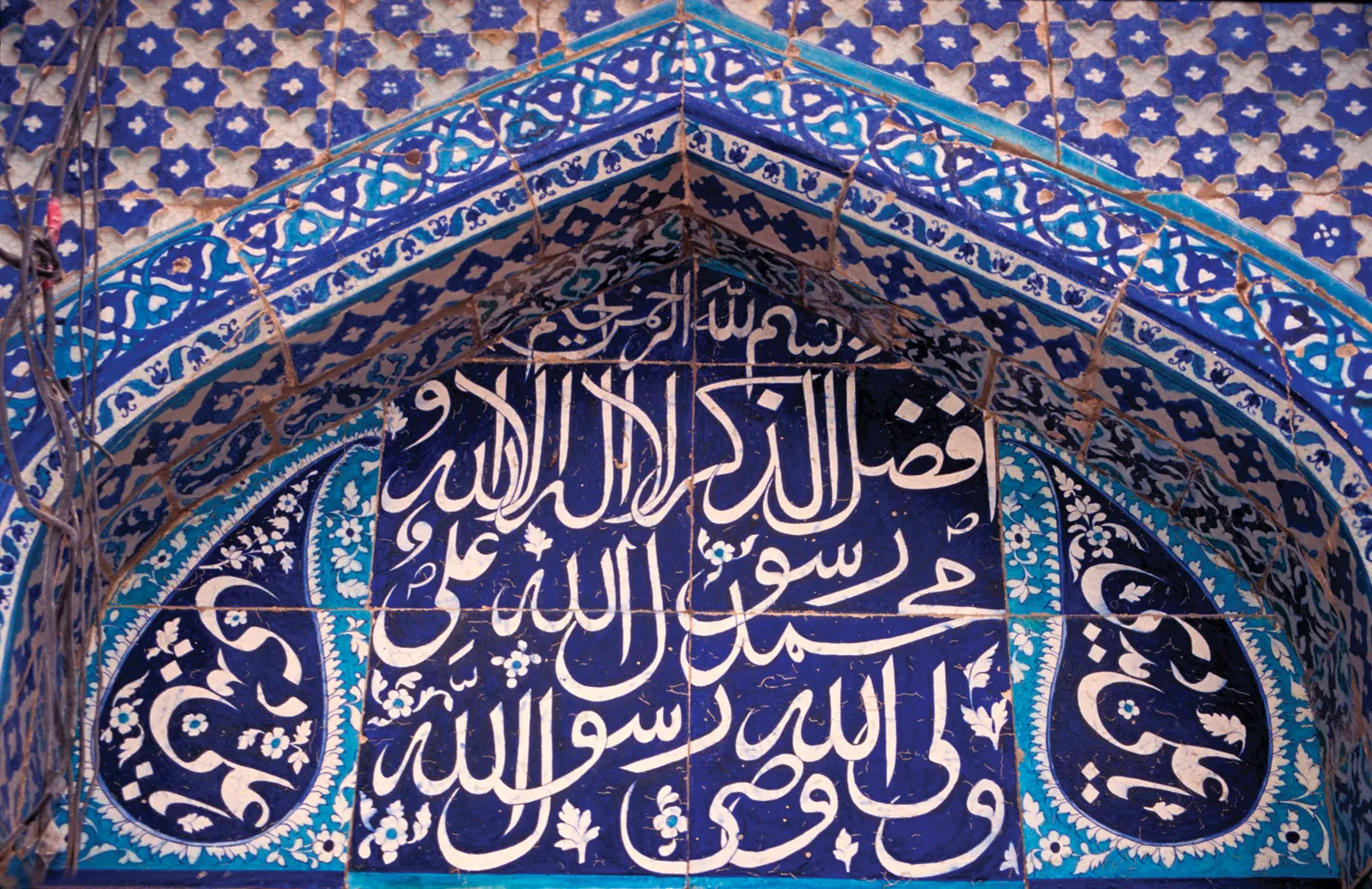
Jeddah, Saudi Arabia – As January 2026 draws to a close, the Muslim world finds itself at a pivotal crossroads, balancing profound internal challenges with a surge of technological and cultural momentum. From the highest levels of the Organization of Islamic Cooperation (OIC) to the grassroots "Crescent Balls" of the Western diaspora, the Ummah is actively redefining its identity for the mid-2020s.
While geopolitical tensions in the Middle East remain at a fever pitch, a quieter, parallel narrative of economic integration and spiritual resilience is taking root. Data from the Global Islamic Fintech Report indicates that Shariah-compliant digital finance is projected to hit a market volume of $179 billion by the end of this year, signaling a shift toward an economy that is as technologically advanced as it is ethically grounded.
Diplomacy and the "Global South" Alliance
In a move that highlights the shifting centers of global power, OIC Secretary-General Hissein Brahim Taha concluded a week-long official visit to the People's Republic of China yesterday. The visit, which included stops in Shanghai, Urumqi, and Beijing, focused on building a "Civilization Partnership" that counters Western-centric narratives.
"China and Islamic countries share a long tradition of mutual respect," noted Chinese Foreign Minister Wang Yi during the talks. The dialogue centered on:
Infrastructure: Synergizing the "Belt and Road Initiative" with Islamic development goals.
Education: Expanding exchange programs between Shanghai University and major Islamic institutions.
Governance: Collaborative models for digital governance that respect local cultural and religious values.
However, the diplomacy isn't without its friction. The OIC also issued a stern warning this week regarding the fragile cease-fire in Gaza, urging the UN Security Council to move forward with Palestine’s bid for full membership to ensure long-term stability.
The 2026 "Muslim 500" and the Resilience of Gaza
The Jordan-based Royal Islamic Strategic Studies Centre recently released its 2026 edition of The Muslim 500, and for the first time in the publication's history, it has made a collective designation. Rather than a single individual, the "Person of the Year" honor was bestowed upon the People of Gaza.
The editors cited the "unyielding desire for justice" and the "moral courage" shown by the residents of the strip. In the traditional rankings, Sheikh Tamim bin Hamad Al-Thani, the Emir of Qatar, retained the top spot for his role in regional mediation, followed by the Pakistani scholar Sheikh Muhammad Taqi Usmani.
"This year, we recognize the strength of the human spirit. They bury their loved ones with dignity and share meagre resources under impossible conditions. Their story is the story of 2026." — The Muslim 500 Editorial Board
The Halal Tech Boom: AI and Crypto Integration
On the economic front, 2026 is being hailed as the year Islamic Finance fully embraced the digital asset boom. In Riyadh and Dubai, major investment forums are discussing the transition of Bitcoin and Ethereum from speculative assets to "neutral technological systems" compatible with Shariah principles.
Key Economic Indicators for 2026:
Sector | Projected 2026 Value | Growth Driver |
Islamic Fintech | $179 Billion | AI-driven Shariah risk scoring |
Halal Food Tech | $2.1 Trillion | Blockchain farm-to-fork traceability |
Modest Fashion | $400 Billion | Virtual AR try-ons and ethical sourcing |
"We are moving toward a 'Halal Digital Financial Layer,'" explains a senior analyst at the Riyadh Real Estate Innovation Forum (REFF 2026). "By using blockchain for Sukuk (Islamic bonds), we increase liquidity and transparency while strictly adhering to the prohibition of Riba (usury)."
The tech surge extends to spiritual life as well. With Ramadan 2026 expected to begin on February 19, millions are downloading the latest "Smart Pilgrimage" apps. These tools use AI to provide real-time crowd management in Makkah and provide personalized Duas based on the user's location and time.
Cultural Renaissance: Heritage and Identity
While the Middle East focuses on high-tech growth, Muslim communities in the West are finding new ways to celebrate their heritage. In Hartford, Connecticut, the inaugural Crescent Ball was held last week to mark "Muslim Heritage Month."
The event brought together over 200 community members for an evening of spoken word poetry and art, emphasizing a "safe space" where identity is celebrated without the weight of political crisis. Syrian-American rapper Omar Offendum performed, bridging the gap between traditional Arabic poetic forms and modern hip-hop.
"Muslim spaces are often centered around urgency or crisis," said Maryam Khan, the first Muslim woman elected to the Connecticut General Assembly. "Tonight was about the joy of being."
Internal Struggles: A Tale of Two Realities
Despite the optimism in many sectors, significant portions of the Ummah are grappling with internal fractures. In Iran, reports suggest a deepening divide between the theocratic leadership and a younger generation seeking greater social freedoms. Recent data indicates that mosque attendance has seen a sharp decline, with high-ranking clerics warning that "politicizing religion" has alienated the youth.
Similarly, in Afghanistan, the struggle over women's education continues. While some factions within the government argue that the economy requires female participation, a strict "Islamic Emirate" model remains in place, leading to the displacement of scholars and professionals.
The Path Forward
As we move deeper into 2026, the Muslim world is proving to be far from a monolith. It is a vibrant, complex, and rapidly evolving landscape where 7th-century values are being coded into 21st-century algorithms. Whether it is through the "Civilization Partnerships" in the East or the "Crescent Balls" in the West, the 2.1 billion Muslims worldwide are asserting that faith is not a relic of the past, but a blueprint for a high-tech, ethical future.